
“I need better employees.”
I have heard some version of that statement from business owners many times over the years. Sometimes they are right. An employee simply is not suited to the job or is unwilling to do what the position requires.
But sometimes I take a closer look and find good people who are not being given what they need to succeed.
That raises an important question: What makes a good employee, and how much of it depends on the employee alone?
Hiring people with the right skills and experience is important. But what happens after you hire them matters just as much. If you want better employees, you must give them the training, direction, and opportunity to become better at what they do.
Good Employees Are Developed, Not Just Hired

Experience and technical skills are a good starting point, but every business operates differently. Employees need to understand their responsibilities, what you expect from them, how their performance will be measured, and how their jobs contribute to the goals of the business.
They also need training.
Even an experienced employee needs to learn how your company operates. The U.S. Department of Labor recognizes on-the-job training as a way for employers to train new employees on the specific requirements of the job. Training should not end after the first few days or weeks. As employees develop, they can learn new skills, take on greater responsibility, and become more valuable to the organization.
Before You Decide You Need Better Employees, Ask Yourself These Questions
- Does the employee have a clear description of the job and responsibilities?
- Have I clearly explained what I expect, rather than assuming the employee knows?
- Has the employee been trained to perform the job the way our company needs it done?
- Am I providing feedback on what is being done well and what needs to improve?
- Is the employee’s production measurable so both the employee and I know whether their performance is improving.
Look for Improvement, Not Just Attendance at Training
Training should produce a result.
Holding a meeting, explaining a procedure, or sending someone to a training program does not necessarily mean the employee has learned to do the job better. The important question is what happens afterward.
This is why measurable expectations are so important. Telling someone to “do better” does not give either of you much to work with. When the employee understands what needs to improve and you have a way to measure their production, both of you know what success looks like.
It also gives you a much better way to evaluate whether your training is working.
What If You Have Done All of This and Nothing Changes?
Training does not guarantee that every employee will succeed. There can come a point when an employee has received the training, direction, feedback, and opportunity to improve and still is not performing at the level the business requires.
Once you have given an employee the opportunity to improve, you can make a more informed decision about whether they are right for the job.
You Do Not Have to Figure This Out Alone
Managing employees is not something most business owners were ever trained to do.
You may know that an employee needs more training but not know how to structure that training or determine whether it is working. You may be unsure whether someone needs additional help, would be better suited to another position, or simply is not right for your organization.
Sometimes an owner knows an employee needs to go but does not know how to handle the situation.
These are some of the personnel issues I help business owners address at International Executive Technology. We can look at how positions are structured, what training employees need, how performance is measured, and whether people are being used effectively within the organization.
When an employee is not succeeding despite the training and opportunity provided, I can also help an owner work through what comes next.
The goal is not simply to keep employees or let them go. It is to build an organization with capable people who understand their responsibilities and contribute to the success of the business.
Better Employees Start with Better Management
So, what makes a good employee?
The individual certainly matters. You need people who are willing to work, learn, take responsibility, and contribute. But the owner has responsibilities too.
Hiring the right people is also an important part of building a strong team. Skills and experience matter, but they do not tell you everything about how a person will function within your organization. Understanding people and their behavior can help an owner or HR manager look beyond the resume when evaluating a candidate.
That is one of the reasons I created Emotions in the Workplace. The film can help owners and HR managers better understand human behavior, both when considering who to bring into the organization and when managing and developing the employees they already have.
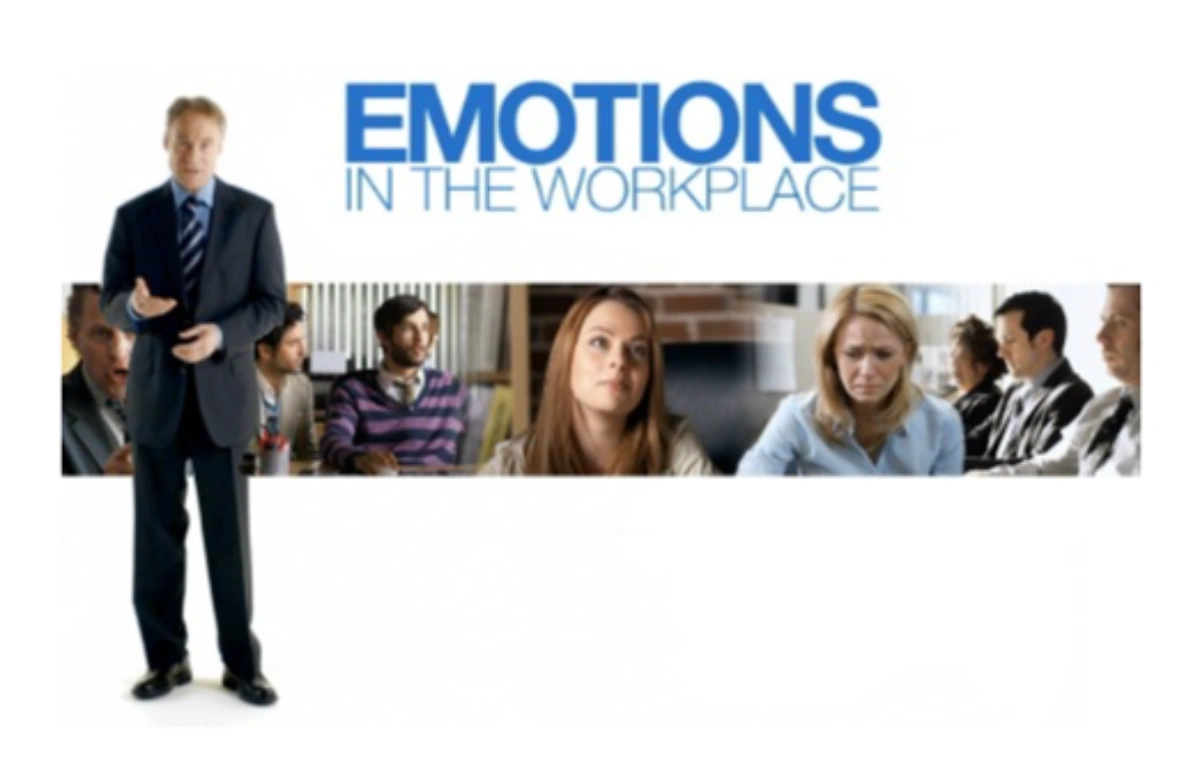
If you already own the film, I encourage you to watch it again. If you do not own it, get a copy and watch it. The better you understand people, the better equipped you are to hire, train, manage, and develop the people your business depends on.
And if you need additional help, International Executive Technology works directly with business owners on personnel issues, from training and developing employees to evaluating performance and dealing with the difficult decision that an employee may no longer be right for the organization.
If you are wondering whether you are getting the best from the people you already have, start with our Free Business Analysis. We can look at what is happening in your business and determine where IET can help.